In 30 seconds

The fix is already out, and that is the headline. Tor Browser 15.0.23 shipped on 15 September and closes a one-click flaw that could expose a user's real IP address, the number that pinpoints their internet connection. Anyone still on 15.0.22 or older should update.IntCyberDigestx.com · IntCyberDigest · xOpen original sourceSee in source list
The risk came into focus through security research firm Calif, which demonstrated the problem on Tor Browser 15.0.22 with default settings. Its demo page abused CVE-2026-92027, a memory bug in Firefox, the engine Tor Browser is built on, to make the browser open one direct connection that skips the Tor network, the relay chain that normally hides where you connect from.IntCyberDigestx.com · IntCyberDigest · xOpen original sourceSee in source list
Neither Mozilla nor Calif reports any attacks using the bug, so panic is off the menu. Updating is not.IntCyberDigestx.com · IntCyberDigest · xOpen original sourceSee in source list
What happened
The causal chain starts upstream of Tor. Tor Browser is built on Firefox, so a memory bug in Firefox, meaning a mistake in how the program manages its own working memory, becomes a bug in Tor Browser too. This one is tracked as CVE-2026-92027.IntCyberDigestx.com · IntCyberDigest · xOpen original sourceSee in source list
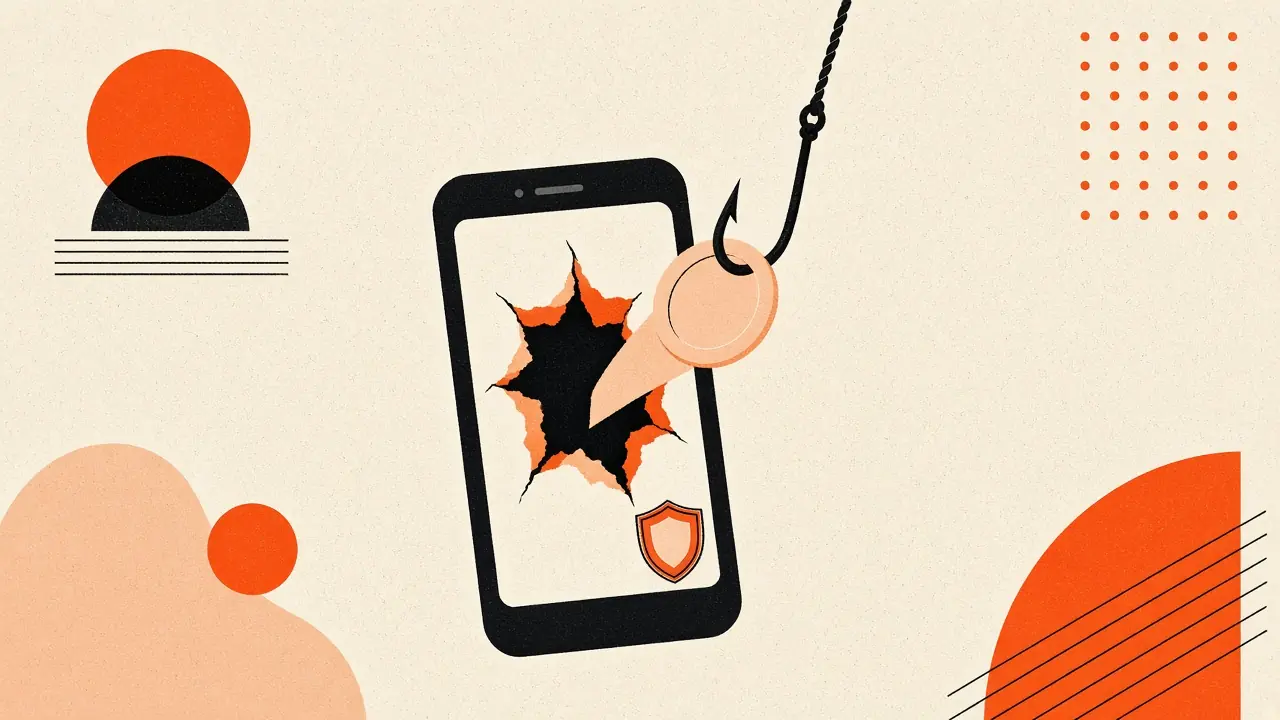
Calif turned that bug into a demonstration on version 15.0.22, the release current before the patch, using default settings. Per the report, one click on the malicious demo page was enough: the browser opened a single direct connection that bypassed the Tor network and revealed the user's real IP to the receiving end.IntCyberDigestx.com · IntCyberDigest · xOpen original sourceSee in source list
The correction had already shipped on 15 September inside Tor Browser 15.0.23. The release notes stayed terse, saying only that the update 'includes important security updates to Firefox', with no public mention of an IP leak.IntCyberDigestx.com · IntCyberDigest · xOpen original sourceSee in source list
Why it matters
Tor Browser exists to keep your real IP hidden by routing traffic through the Tor network, a chain of volunteer relays that masks your origin. A web page that can force one direct connection around that chain defeats the entire point of the tool, and the demonstration reportedly worked without any unusual configuration.IntCyberDigestx.com · IntCyberDigest · xOpen original sourceSee in source list
For people whose safety depends on staying unlocatable, such as journalists, activists, or readers under intrusive governments, a single wrong click could have meant exposure. That is the human stake behind the CVE number.IntCyberDigestx.com · IntCyberDigest · xOpen original sourceSee in source list
Two facts temper the alarm. The patch has been available since 15 September, and neither Mozilla nor Calif reports any attack in the wild, so the evidence points to research disclosure rather than active abuse.IntCyberDigestx.com · IntCyberDigest · xOpen original sourceSee in source list
What to do
Update to Tor Browser 15.0.23 or newer. That is the entire remediation: the bug was fixed in 15.0.23, while the demonstration targeted 15.0.22 running with default settings.IntCyberDigestx.com · IntCyberDigest · xOpen original sourceSee in source list
Since the trigger was a click on a malicious page, old-fashioned caution with unexpected links adds a second layer of defense, especially on machines that cannot update right away.IntCyberDigestx.com · IntCyberDigest · xOpen original sourceSee in source list
Confirmed and still uncertain
What is established in this batch: Tor Browser 15.0.23 shipped on 15 September with the bug fixed, and Tor's release notes described the change only as 'important security updates to Firefox'.IntCyberDigestx.com · IntCyberDigest · xOpen original sourceSee in source list
What is claimed but attributed: the full mechanics of the leak rest on Calif's demonstration on 15.0.22 with default settings, one click forcing a direct connection that skips Tor. No independent confirmation appears here.IntCyberDigestx.com · IntCyberDigest · xOpen original sourceSee in source list
What is unknown: whether anyone outside the demonstration was ever affected, since no reports exist but absence of reports is not proof of absence; how long the flaw sat in the code before the patch; and the deeper anatomy of the memory bug beyond the short description available.IntCyberDigestx.com · IntCyberDigest · xOpen original sourceSee in source list
What people are saying
The only public voice in this batch is IntCyberDigest, an X account that summarized the finding. It flagged that one click on a malicious site could reveal a real IP, credited Calif for the demonstration on default settings, and pointed out the vague wording of Tor's release notes.IntCyberDigestx.com · IntCyberDigest · xOpen original sourceSee in source list
The same account added the calming detail: neither Mozilla nor Calif reports any attacks using the flaw.IntCyberDigestx.com · IntCyberDigest · xOpen original sourceSee in source list
Evolution
The story ran backwards from the usual script. The fix landed first, on 15 September, tucked into a release note that promised only 'important security updates to Firefox'.IntCyberDigestx.com · IntCyberDigest · xOpen original sourceSee in source list
The public explanation came about two months later, when Calif demonstrated the attack on the older 15.0.22 build and the summary circulated on X, timestamped 26 November 2026.IntCyberDigestx.com · IntCyberDigest · xOpen original sourceSee in source list
The net effect is unusual but welcome: users who had updated since September were already protected before the danger was spelled out in public.IntCyberDigestx.com · IntCyberDigest · xOpen original sourceSee in source list
Reach
1 independent groups, 1 updates, and 8 engagements.
Technical detail
Tor Browser conceals your IP by pushing traffic through the Tor network, a chain of volunteer relays that strips out your origin at each hop. The browser is built on Firefox, which is why Firefox flaws matter to Tor users.IntCyberDigestx.com · IntCyberDigest · xOpen original sourceSee in source list
The flaw, CVE-2026-92027, is described as a memory bug, meaning the program mishandles its own working memory in a way an attacker can influence. In Calif's demo, a malicious page exploited it to make the browser open one direct connection outside the relay chain, so the recipient saw the user's real IP.IntCyberDigestx.com · IntCyberDigest · xOpen original sourceSee in source list
The attack reportedly needed a single click on a malicious page and worked on default settings in 15.0.22, which is what separated it from a purely theoretical risk.IntCyberDigestx.com · IntCyberDigest · xOpen original sourceSee in source list
Sources and evidence
This item rests on a single source: a post by X account IntCyberDigest, timestamped 26 November 2026, with an image attached. It credits Calif with the demonstration, names CVE-2026-92027, and dates the fix to 15 September in Tor Browser 15.0.23.IntCyberDigestx.com · IntCyberDigest · xOpen original sourceSee in source list
The limits are clear. No primary advisory, blog post, or statement from Mozilla, the Tor Project, or Calif appears in the batch, and the release-note wording is quoted secondhand. The demonstration details should be treated as attributed claims until a primary source confirms them.IntCyberDigestx.com · IntCyberDigest · xOpen original sourceSee in source list
Sources
- IntCyberDigestx.com · IntCyberDigest · x