What happened
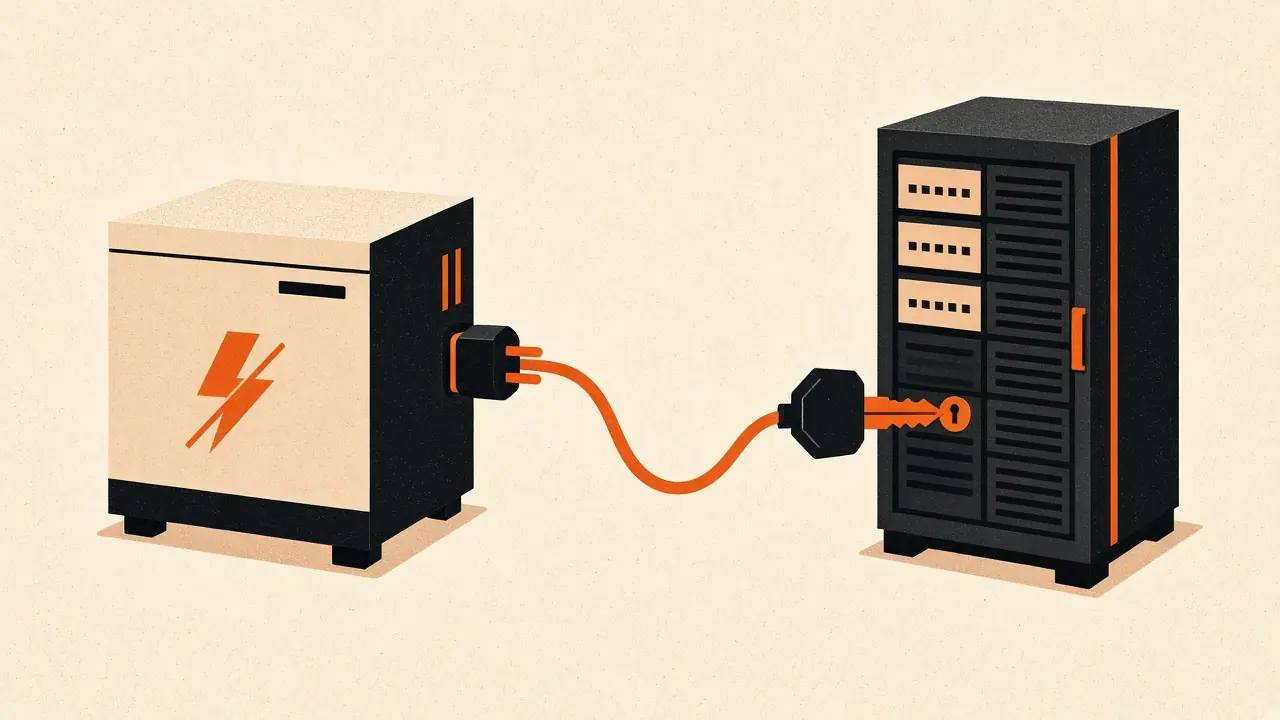
Symantec detailed an intrusion in which an attacker used CyberPower's PowerPanel Business software to run malicious scripts on the domain controller, the server that controls logins across a Windows network. The attacker abused a legitimate product feature, without exploiting a bug, and copied the Active Directory database, which stores credentials for every account on the network.
Why it matters
UPS management software often runs on important systems such as hypervisors and database and file servers. The case shows that a power management tool can become a remote command channel with the highest Windows privileges, exposing credentials for the entire company.
What to do
Keep the PowerPanel console off the internet, replace the default administrator password, limit console access to specific administrator machines, and stay patched. Check the folders PowerPanel runs scripts from and reset Active Directory credentials if indicators of compromise appear.
For the technical team
- Affected
- CyberPower PowerPanel (software de gerenciamento de UPS) · CyberPower PowerPanel Business (PBB); versions not specified in the source.
- Exploitation
- Real-world exploitation in a corporate environment reported by Symantec in research published November 18.
- Fix
- No specific fix cited. Mitigations recommended by Symantec: limit console access to specific administrator machines, keep the console off the internet, replace the default administrator password, stay patched, check the folders PPB runs scripts from, treat any unfamiliar script as malicious, reset Active Directory credentials if indicators appear, and protect power-management hosts as high-value systems.
- Vector
- Component: the PowerPanel Business (PPB) service, CyberPower's UPS management software. Failure type: legitimate feature abuse, with no software bug; administrators can configure PPB to launch a script when it detects a power problem, and the service executes that script with SYSTEM privileges. Condition: access to the web console; initial access vector unknown, with Symantec citing possible routes such as stolen administrator credentials and previously disclosed product weaknesses (default administrator password, hard-coded credentials, and a file upload flaw).
- More details
- Chain reported by Symantec: scripts uploaded through the web console, staging of an antivirus killer, copy of the Active Directory database, and a persistent implant loaded through DLL sideloading, in which a legitimate program is tricked into loading a malicious library. The attacker relied mostly on tools that ship with Windows and rewrote the data collection scripts several times, which Symantec read as a sign of a human operator working live. No data theft or ransomware seen; motives unclear. No victim identified and no attribution to a known group.
Timeline
Incident opened.
Sources 1 source
- CyberPower PowerPanel Exploited to Run Malicious Code on Domain Controller Infosecurity Magazine