Researchers: LINE encryption flaws let malicious server replay messages
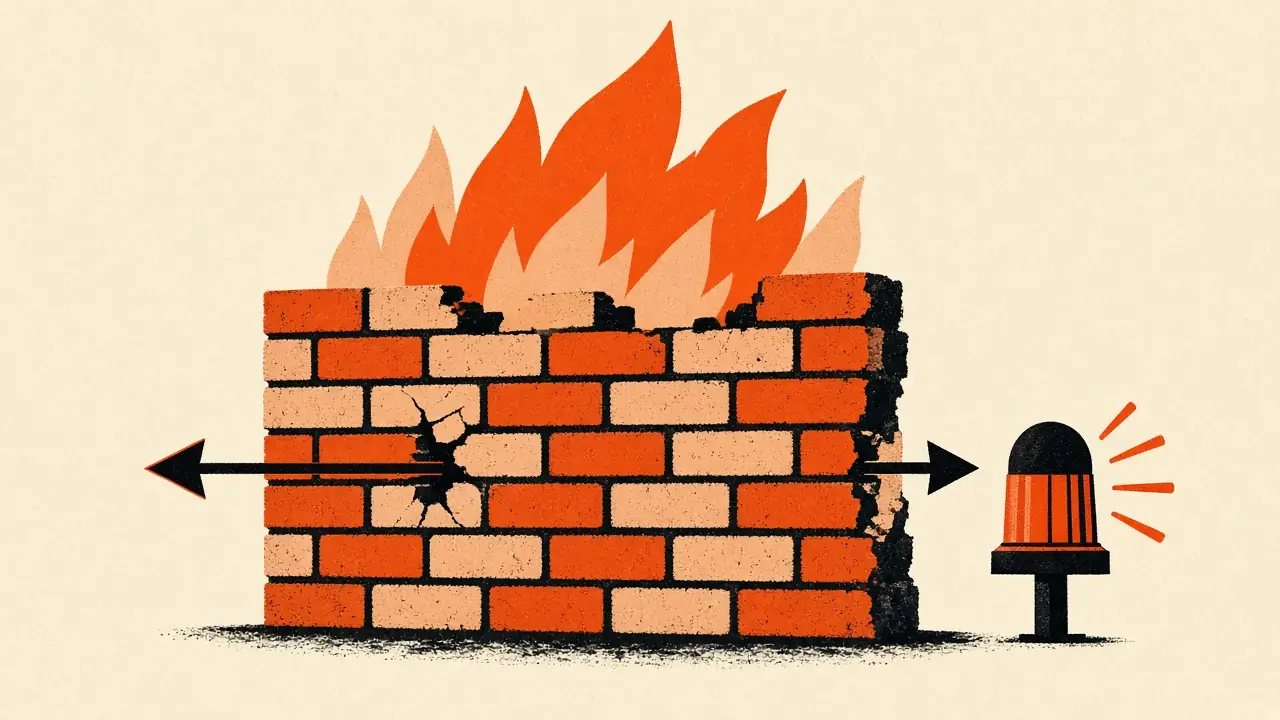
Aarhus University researchers detailed flaws in LINE's end-to-end encryption: a malicious server can silently replay, reorder or block messages, colluding users can forge a message's sender, and stickers leak plaintext. LINE's owner said no special action is required, and no fix has been released. Organizations using LINE for sensitive exchanges should assess the risk until a fix exists.
What happened
Aarhus University researchers reported flaws in LINE's end-to-end encryption. A malicious server can silently replay, reorder or block messages, colluding users can forge who sent a message, and stickers leak plaintext. LINE's owner said no special action is required.
Why it matters
Anyone using LINE for sensitive exchanges is exposed: messages can be blocked or replayed undetected, and a message's sender can be forged by colluding users. No fix has been released, so the exposure remains in the current app.
What to do
Check whether LINE is used for critical or sensitive company communications. If so, evaluate alternative channels for those exchanges until a fix exists. Follow LINE's response to the research.
For the technical team
- Affected
- LINE (criptografia de ponta a ponta do aplicativo de mensagens) · LINE messaging app (end-to-end encryption). Versions not specified in sources.
- Exploitation
- No exploitation reported in sources. Flaws disclosed in Aarhus University research on October 26, 2026.
- Fix
- No fix released per sources. LINE's owner stated no special action is required.
- Vector
- Component: end-to-end encryption of the LINE messaging app. Design flaw: a malicious server can silently replay, reorder or block messages; colluding users can forge a message's sender; stickers leak plaintext.
- More details
- Flaws detailed by Aarhus University. Per the source, LINE's owner said last year that no special action is required. No PoC, CVE, or indicators cited in sources.
Timeline
Aarhus University research details flaws in LINE's end-to-end encryption.
Sources 1 source
- @IntCyberDigest @IntCyberDigest