In 30 seconds
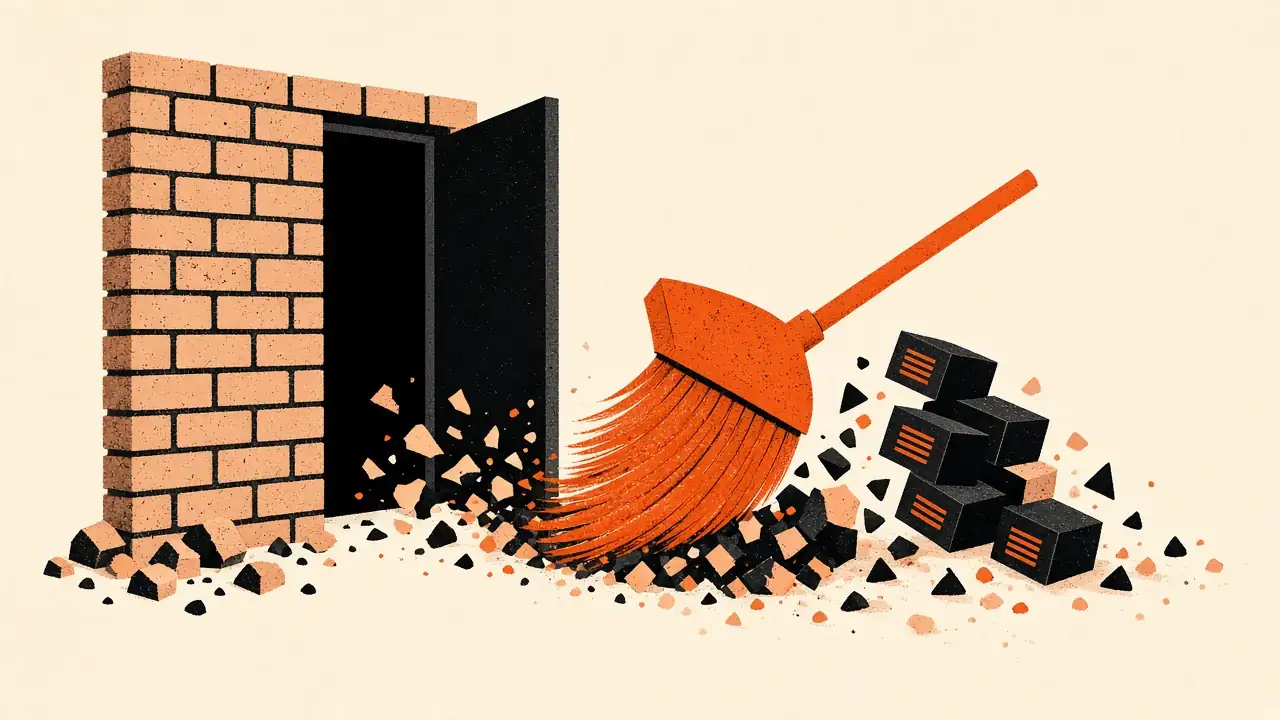
LibreOffice has shipped security fixes for two flaws that, according to security researcher Minseong Kim, let a crafted spreadsheet run attacker-controlled Java code the moment it is opened. No macros and no security prompts are involved, the report says. The issues, tracked as CVE-2026-104692 and CVE-2026-104007, affect LibreOffice 26.2.6 and earlier plus 26.8.1 on Windows, macOS, and Linux, provided Java is installed and enabled. Versions 26.2.7 and 26.8.2 carry the fixes, and no exploitation in the real world has been reported by the source.DarkWebInformerx.com · DarkWebInformer · xOpen original sourceSee in source list
What happened
The story surfaced on November 18, 2026 in a public post by DarkWebInformer describing a demonstration by security researcher Minseong Kim. The post credits Kim with videos showing the exploit working on Windows, macOS, and Linux, and it frames the finding as a remote code execution chain, meaning an attack that runs software of the attacker's choosing on the victim's machine.DarkWebInformerx.com · DarkWebInformer · xOpen original sourceSee in source list
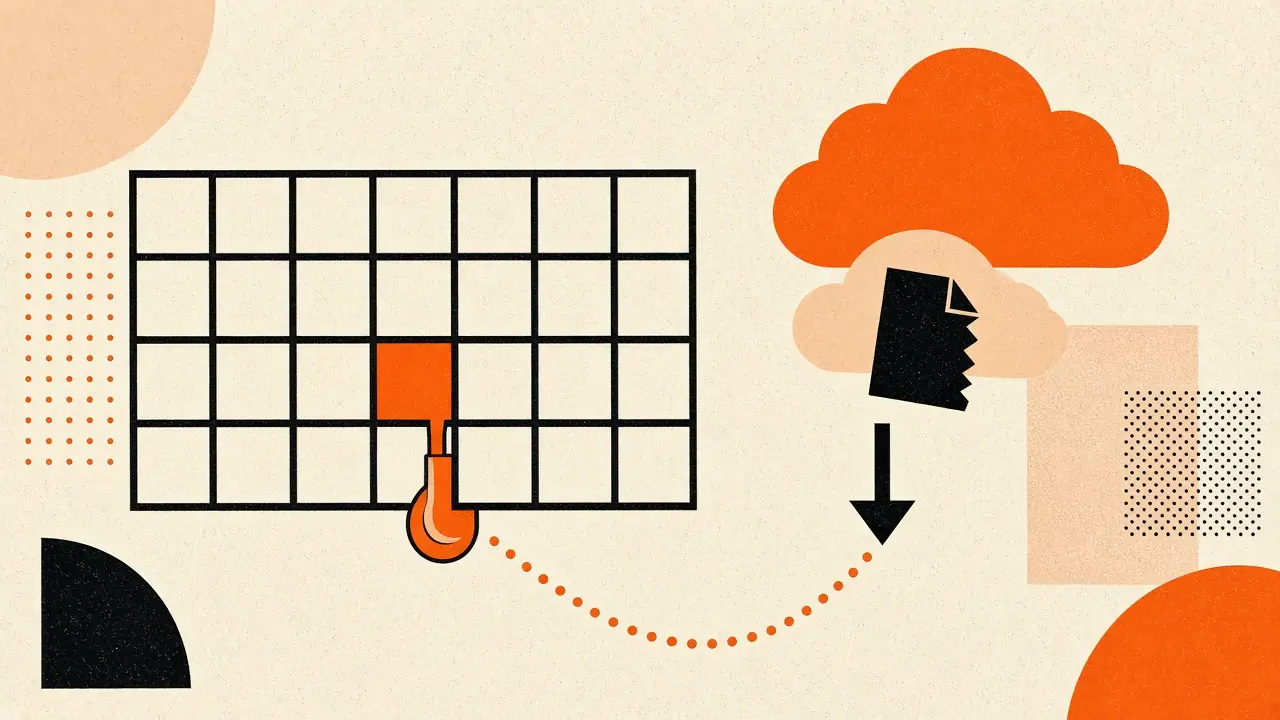
According to the report, the chain links two vulnerabilities tracked as CVE-2026-104692 and CVE-2026-104007. The attack starts when the victim opens a specially crafted spreadsheet. The file then automatically downloads a malicious database file, and that file executes Java code controlled by the attacker. On a system where Java is installed and enabled, the whole sequence reportedly needs no extra clicks, no macro approval, and no security warning.DarkWebInformerx.com · DarkWebInformer · xOpen original sourceSee in source list
Why it matters
If the demonstration holds up, it undercuts the standard advice that spreadsheet files are safe as long as macros stay disabled. Here the dangerous action is simply opening the file, which is about the lowest bar an attack can set, and users get no prompt they could refuse.DarkWebInformerx.com · DarkWebInformer · xOpen original sourceSee in source list
There is a gate, though. The execution path described depends on Java being installed and enabled, a setup many desktop users do not have. That narrows the exposed population, yet office environments where Java and LibreOffice coexist remain plausible targets.DarkWebInformerx.com · DarkWebInformer · xOpen original sourceSee in source list
What to do
Update LibreOffice now. The report states that security fixes ship in versions 26.2.7 and 26.8.2, so anyone running 26.2.6 or earlier, or version 26.8.1, should move to the matching patched release.DarkWebInformerx.com · DarkWebInformer · xOpen original sourceSee in source list
As an extra layer, disabling or removing the Java integration in LibreOffice cuts off the reported execution path, and treating unexpected spreadsheet files from untrusted sources with suspicion remains good hygiene regardless of patch status.DarkWebInformerx.com · DarkWebInformer · xOpen original sourceSee in source list
Confirmed and still uncertain
What is on the table so far: a public demonstration with videos for Windows, macOS, and Linux, all credited to Minseong Kim; a list of affected versions, 26.2.6 and earlier plus 26.8.1; and patched releases, 26.2.7 and 26.8.2.DarkWebInformerx.com · DarkWebInformer · xOpen original sourceSee in source list
What is still open: whether anyone has actually been attacked this way, since the source reports no real-world exploitation; whether the technical claims have been independently verified; and which of the two CVEs handles which step of the chain, a breakdown the public post does not provide.DarkWebInformerx.com · DarkWebInformer · xOpen original sourceSee in source list
What people are saying
DarkWebInformer, the account that spread the details, called the flaws critical and stressed that opening a spreadsheet is enough, with no macros or security warnings required. Minseong Kim, credited as the researcher behind the find, is the source of the demonstration videos across all three operating systems.DarkWebInformerx.com · DarkWebInformer · xOpen original sourceSee in source list
No statement from The Document Foundation, the organization behind LibreOffice, or from any other party appears in the available material, so the discussion so far is a single reporter relaying a single researcher's work.DarkWebInformerx.com · DarkWebInformer · xOpen original sourceSee in source list
Evolution
The evidence base is a single snapshot, one post published on November 18, 2026, so the picture has not widened yet. Milestones that would move it: an official LibreOffice security advisory confirming the CVEs and fixes, independent reproduction of the chain, and any first sign of exploitation in the wild.DarkWebInformerx.com · DarkWebInformer · xOpen original sourceSee in source list
Reach
1 independent groups, 1 updates, and 2 engagements.
Technical detail
The chain works in two steps, according to the report. A crafted spreadsheet triggers one flaw to automatically download a malicious database file, and a second flaw turns that file into running Java code. The result is remote code execution, attacker software running on the target machine, without macros and without any dialog the user could decline.DarkWebInformerx.com · DarkWebInformer · xOpen original sourceSee in source list
The two weaknesses are cataloged as CVE-2026-104692 and CVE-2026-104007, but the post does not say which flaw drives the download and which drives the execution. The exact division of labor inside the chain is therefore unspecified in the public record so far.DarkWebInformerx.com · DarkWebInformer · xOpen original sourceSee in source list
Sources and evidence
The available evidence is one post on X by DarkWebInformer, published on November 18, 2026. It describes the demonstration, lists the affected and fixed versions, and references videos for Windows, macOS, and Linux, all credited to researcher Minseong Kim.DarkWebInformerx.com · DarkWebInformer · xOpen original sourceSee in source list
That is a thin base for a story of this weight: one social media account relaying one researcher's work, with no vendor advisory or independent confirmation in hand yet. Treat the mechanics as demonstrated claims rather than settled fact until corroboration arrives.DarkWebInformerx.com · DarkWebInformer · xOpen original sourceSee in source list
Sources
- DarkWebInformerx.com · DarkWebInformer · x